

Growing healthy cannabis plants can be tricky. One common issue is nutrient deficiencies, which harm your plant’s growth and health. This article, brought to you by Freedom of Seeds, will guide you on identifying and fixing these problems, focusing on key nutrients like nitrogen, phosphorus, potassium, magnesium, and calcium.
Key Takeaways
- Nutrient deficiencies in cannabis plants like nitrogen, phosphorus, potassium, magnesium, and calcium show through specific symptoms such as yellow leaves, brown spots, and slow growth. Keep soil pH optimal to help your plants absorb these key nutrients.
- To fix these deficiencies, use targeted solutions like adding nitrogen-rich fish-based nutrients for nitrogen deficiency or Epsom salts for magnesium deficiency. Organic matter improves soil health and assists in preventing many of these issues.
- Applying organic fertilizers such as worm castings or fish meal enhances the soil by slowly releasing essential nutrients that support plant health. For direct nutrient problems, adjust your nutrient solution accordingly and ensure your watering mix is at the correct pH level to prevent lockout.
- Maintaining correct pH levels in both soil (6.0-6.5) and hydroponics systems (around 6) ensures efficient nutrient absorption by cannabis roots which is crucial to avoid deficiencies and maintain overall plant vigor.
- Regularly monitoring your cannabis plants for signs of nutrient deficiencies allows you to address issues promptly with suitable remedies like cal-mag supplements for calcium deficiency or flushing the grow medium in case of potassium excess.
Identifying Common Cannabis Plant Deficiencies

Identifying Common Cannabis Plant Deficiencies can be crucial for maintaining plant health. Recognizing issues such as Nitrogen, Phosphorus and Potassium Deficiency, among others, is vital in ensuring the well-being of cannabis plants.
Nitrogen Deficiency
Nitrogen deficiency in cannabis plants shows up as pale, yellow leaves and leads to less yield. The older leaves start turning yellow first. Then they might fall off the plant. If the problem gets worse, the whole plant can turn a sickly color.
This makes it hard for growers to achieve their desired results, especially if they aim for high-quality yields.
To prevent nitrogen deficiency, keeping an optimal soil pH is crucial. Growers should use a nutrient-rich potting mix and add nitrogen-fixing bacteria to their soil or growing medium.
Fish-based nutrients are great because they have nitrogen-containing amines that act fast to fix this issue. These steps help ensure plants get enough of this essential macronutrient for leaf development and overall growth, avoiding common symptoms like reduced yields and discoloration.
Phosphorus Deficiency
Phosphorus deficiency in cannabis plants shows up as dry, brown leaves and red or purple stems. You might also notice brown spots on the leaves. These signs mean the plant isn’t getting enough phosphorus, which is crucial for energy transfer and flower development.
To fix this problem, growers can add a phosphorus-rich feed or fertilizer to their nutrient solution. Proper soil oxygenation is key to preventing this issue.
Ensuring the grow medium is rich in phosphorus helps prevent its deficiency from starting. Using well-aerated soil that’s high in organic compost promotes healthy root systems capable of absorbing essential nutrients efficiently.
Incorporating mycorrhizae into the mix boosts the root zone’s ability to take up not just phosphorus but other macronutrients as well, making your cannabis cultivation efforts more successful.
Potassium Deficiency
Potassium deficiency in cannabis plants shows as curling leaves with brown and yellow edges. It leads to symptoms like the tips and edges of leaves turning brown and yellow, leaves curling up, and plants stretching more than usual.
Treating this issue involves flushing the grow medium to remove excess salts that can block nutrient uptake. Adding chicken manure or a potassium-rich nutrient feed helps solve the problem by giving back what the plant lacks.
Preventing potassium deficiency comes down to careful use of fertilizers. Mixing compost with hardwood ash and kelp meal adds richness in nutrients to soil or hydroponic systems, supporting better plant health from roots up.
Also, avoid overwatering which can affect how well a plant absorbs potassium alongside other essential nutrients such as nitrogen for growth or phosphorus for bloom stages. This balance ensures your cannabis plants get enough nourishment without tipping into an excess that could lock out needed elements for vitality.
Magnesium Deficiency
Moving from potassium deficiency, we focus on magnesium deficiency which shows up as yellow spots and areas between the leaf veins. This problem can seriously affect your cannabis plants by hindering chlorophyll synthesis which is crucial for healthy growth and photosynthesis.
To address magnesium deficiency effectively, adding Epsom salts to your watering routine can be a quick fix because it supplies magnesium sulfate directly to your plants. For a more long-term solution, mixing good quality compost or powdered dolomite limestone into your growing medium enriches it with much-needed magnesium.
Ensuring the pH level is balanced also helps in preventing nutrient lockout, allowing your cannabis plants to absorb magnesium efficiently.
Calcium Deficiency
Calcium deficiency in cannabis plants is noticeable through oddly shaped leaves, representing a problem concerning nutrient intake. Unusually curled leaves with yellow or brown spots enclosed by brown edges display this deficit clearly.
These symptoms limit the plant’s growth, causing it to visibly lag. This issue affects both the look and overall well-being of the plant, necessitating quick identification and resolution by growers.
To effectively handle calcium deficiency, adding a calcium/magnesium supplement to your feeding plan is helpful. Maintaining correct pH levels in your water aids in nutrients breaking down more effectively, allowing roots to absorb them better.
For those favoring a natural method, using powdered dolomite lime into your soil or growing medium can considerably improve the situation. Regulating pH levels at around 6.2 and supplementing organic compost with ample eggshells or sustaining a worm farm provide practical ways to maintain good calcium levels in cannabis plants.
A consistent review and regulation in nutrient management can avert calcium deficiencies ensuring healthy growth cycles.
Solutions to Cannabis Plant Deficiencies

To address cannabis plant deficiencies, it’s crucial to adjust nutrient solutions and correct pH levels. Furthermore, employing organic fertilizers can aid in maintaining optimal plant nutrition.
Adjusting Nutrient Solutions
Adjusting nutrient solutions is a key step to fix cannabis deficiencies. In the case of magnesium deficiency, growers can cleanse their growing medium with pH-balanced water and apply Epsom salts.
This method promotes the plant roots to take in magnesium more efficiently. When addressing calcium issues, usage of a cal-mag supplement can be remarkably effective. By setting the pH around 6.2 and infusing hydrated lime to the water, it supports calcium absorption even better.
For healthier plants, it’s crucial to know how to modify these solutions properly. Through meticulous adjustment of nutrients for plants, you guarantee that each cannabis plant receives what it needs during different growth stages.
Be it augmenting nitrogen for leafy growth or phosphorus for the flowering stage, achieving the suitable balance promotes comprehensive health and staves off nutrient deficiency indicators such as necrosis or interveinal chlorosis from appearing on your treasured plants.
Correcting pH Levels
Maintaining the right pH level is crucial for your cannabis plants to thrive. For those growing in soil, aim for a pH range of 6.0-6.5. If you’re using hydroponics systems, keep the pH close to 6.
This ensures that plants absorb nutrients efficiently and prevents nutrient lockout—a state where roots can’t take up necessary elements like nitrogen (N), phosphorus (P), potassium (K), magnesium (Mg), calcium (Ca), and iron (Fe).
To adjust the pH, growers can add certain substances to their watering mix or growing medium. For acidic conditions requiring a higher pH, adding lime works well. In cases where the medium is too alkaline, sulfur or compost tea lowers the pH to an ideal range.
Regularly checking and adjusting as needed helps avoid deficiencies related to micronutrients such as molybdenum (Mo) and prevents issues like iron deficiency by ensuring optimal nutrient absorption from the soil or hydroponic solution.
Using Organic Fertilizers
Organic fertilizers like worm castings and fish meal add vital nutrients to the soil, helping cannabis plants thrive. By using such products, growers can slowly release essential nutrients into the soil, preventing common deficiencies.
Adding manure to your compost pile improves soil health further. This approach supports robust plant growth by ensuring a steady supply of mobile and immobile nutrients.
To fix specific deficiencies, applying organic fertilizer high in phosphate is crucial for correcting phosphorus deficiency, while potassium deficiency benefits from an extra boost of manure and pH adjustments.
These steps enhance cell division, protein synthesis, and overall fertility in cannabis plants. Next up is exploring how adjusting nutrient solutions can combat other plant growth challenges.
Conclusion
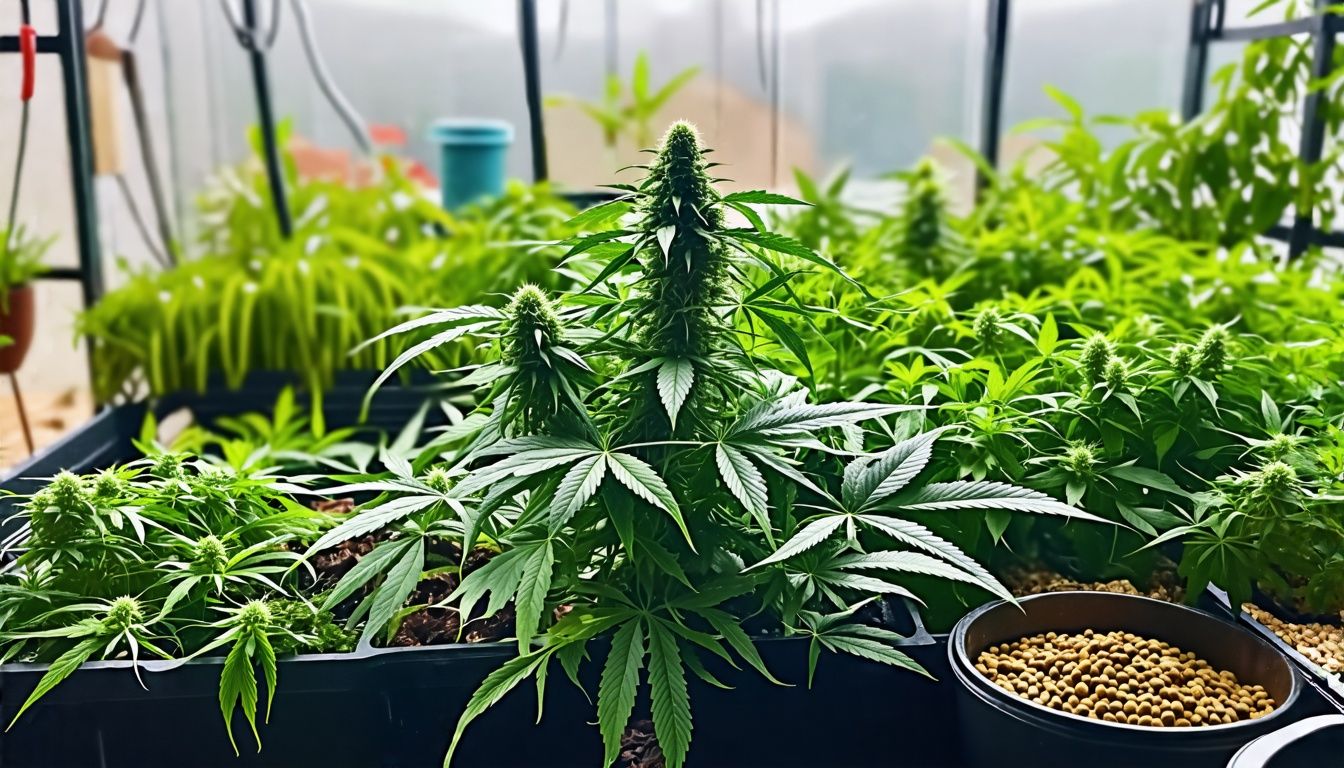
Keeping your cannabis plants healthy means spotting nutrient shortfalls early and acting quickly to fix them. Each deficiency, from nitrogen to potassium, shows unique signs on your plants.
Fix these issues by adjusting pH levels or adding the right kind of plant food to the soil or water. Organic options are great for feeding your plants and keeping the ecosystem around them happy too.
With regular checks and balances, and the help of quality seeds from Freedom of Seeds, you can grow strong, flourishing cannabis that thrives in its environment.

